As part of their work, the SAFMH National Youth Advocacy and Advisory Forum are encouraged to take up advocacy initiatives that are meaningful to them. Busisa Xulu [KZN] has written the blog below, reflecting on her experience of creating video content centred on lived experience.
Busisa said: “I wrote this blog to highlight the intentionality and strategic thinking required in meaningful mental health advocacy.” I aimed to offer insight into the process behind creating a digital film and to share practical guidance for those interested in embarking on a similar journey. By unpacking the considerations involved in conceptualising, planning, and shooting a digital film, I hope to better equip others with the knowledge and tools needed to approach their own projects with clarity and purpose.”
I recently created and curated a digital film titled #MENTALHEALTHHASNOFACE, a project designed to raise mental health awareness and help destigmatise conversations around emotional well-being. The campaign featured a powerful video of my dear friend, Lusanda, who openly shared his understanding of mental health, his personal journey navigating mental health challenges, and the coping mechanisms that have supported him along the way.
I also shared my own experiences – including what I wish people understood about mental health so that they can approach their wellbeing with more compassion and hold space for the wellbeing of others with greater care.
This project stretched me creatively and emotionally. It taught me so much about what it actually takes to create a digital film that is both engaging and impactful. Below are the three most important lessons I walked away with. I’ve included visuals beneath each key point so you can see how these ideas came to life in the final product.
- Structure Shapes the Story
From the very beginning, I knew the heart of the film was this message:
Mental health does not discriminate. We all have minds, which means we are all vulnerable to both good and bad mental health.
To honour that message, structure was everything.
I began by drafting a long list of potential questions, then narrowed them down to those that would create a clear and emotional journey. The final sequence captured:
- Our early understanding of mental health
- Our personal experiences with mental health challenges
- How those experiences shaped our relationship with mental health today
- What we want others to understand so they can navigate their own mental well-being more intentionally
The goal was for viewers to feel like they were being guided through a story, not watching a standard interview. And for that, the flow between questions mattered. Structure became the foundation that supported the emotional weight of the film.

The above are the questions I decided upon
- Every Detail Matters
After recording the first draft, I sent it to one of my mentors at SAFMH, Michel’le, who reminded me of something essential:
The smallest details can make or break the viewer’s experience.
Visuals.
Sound.
Backgrounds.
Music.
These elements create the atmosphere that holds the story together.
Following her feedback, I made several adjustments:
- I moved the interview from an outdoor location (with lots of background noise) to a quiet, controlled space with clean audio.
- I incorporated visually engaging cutaway scenes that connected to what we were sharing.
- I added warm, calming music to create an emotional tone that complemented the message of the film.
These changes transformed the video from “good” to immersive.
- Collaboration Makes the Vision Possible
Initially, the project was meant to feature three people: myself, Lusanda, and another friend. Everyone had been briefed and seemed interested, but as production time arrived, not everyone followed through.
In the end, it became a project between just Lusanda and me – and honestly, it turned out beautifully.
Collaboration required:
- Coordinating around two very busy schedules
- Preparing our responses privately and intentionally
- Filming together
- Reviewing and approving the final cut
If either one of us hadn’t shown up fully, the project would not have been what it became. This experience reminded me that creative work thrives on commitment, communication, and shared vision.
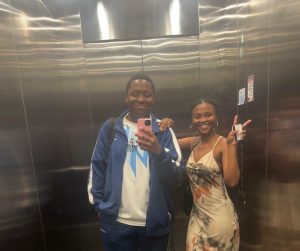
A photo of Lusanda and me after shooting the film!
Final Reflections
Creating this film was meaningful, challenging, and deeply rewarding. It required intentionality, consistency, and collaboration – and a lot of heart.
I’m incredibly grateful for how the project turned out, and I would absolutely do it again. If you’re thinking about creating your own digital film or mental health project, I hope these reflections give you clarity, direction, and confidence as you start.
And please, definitely check out the videos on Instagram: @metanoia.safehaven
Engage by liking, commenting, and sharing. Your support means the world – and helps us continue spreading awareness. 💚